2025 Ultimate Guide to Digital Marketing Terms
Digital marketing is filled with acronyms, buzzwords, and technical phrases that can be overwhelming if you’re new to the field. Whether you’re a business owner, student, or aspiring marketer, mastering the terminologies used in digital marketing is essential to understand strategies, measure performance, and communicate effectively. Here’s a beginner-friendly explanations of the most important concepts in SEO, PPC, social media, email, analytics, and more:
A – Digital Marketing Terms
- A/B Testing – A method of comparing two versions of a webpage, ad, or email to determine which performs better.
- Above the Fold – The portion of a webpage visible without scrolling; highly valuable for placing important content or CTAs.
- Ad Copy – The text written for an advertisement that persuades users to take action.
- Ad Rank – Google’s metric that determines the position of your paid ad on the search results page.
- Affiliate Marketing – Earning commission by promoting other people’s products and driving sales or leads.
- Algorithm – The formula search engines use to rank websites on search results pages.
- Analytics – The measurement and analysis of user behavior and marketing performance (e.g., Google Analytics).
- Attribution – Assigning credit to marketing touchpoints that led to a conversion.
- Audience Targeting – Defining specific groups of people to show ads or content to based on demographics, behavior, or interests.
B – Digital Marketing Terms
- Backlink – A hyperlink from one website to another; crucial for SEO authority.
- Banner Ad – A graphical ad displayed on websites.
- Behavioral Targeting – Showing ads based on users’ past actions, such as search history or website visits.
- Black Hat SEO – Unethical SEO practices like keyword stuffing or link farms that violate search engine guidelines.
- Blogging – Publishing written content to attract, engage, and convert website visitors.
- Bounce Rate – The percentage of visitors who leave a site after viewing only one page.
- Brand Awareness – The extent to which consumers recognize and remember a brand.
- Buyer Persona – A fictional representation of your ideal customer, created using market research and data.
C – Digital Marketing Terms
- Call to Action (CTA) – A prompt encouraging users to act, such as “Buy Now” or “Subscribe.”
- Campaign – A planned series of marketing activities designed to achieve specific goals.
- Click-Through Rate (CTR) – The percentage of people who click on a link or ad after seeing it.
- Content Marketing – Creating and distributing valuable content to attract and retain customers.
- Conversion – When a visitor takes a desired action, such as making a purchase or signing up.
- Conversion Funnel – The path users take from awareness to conversion.
- Cookie – A small file stored on a user’s browser to track online activity.
- Cost-Per-Click (CPC) – The amount paid for each click in a PPC ad campaign.
- Customer Journey – The full experience a customer has from first discovering a brand to making a purchase and beyond.
D – Digital Marketing Terms
- Dashboard – A visual display of key metrics and data in one place (e.g., Google Analytics dashboard).
- Data-Driven Marketing – Using analytics and customer data to make informed marketing decisions.
- Display Ads – Visual banner ads shown on websites, apps, or social media.
- Domain Authority (DA) – A ranking score that predicts how well a website will rank in search engines.
- Drip Campaign – An automated series of emails sent over time to nurture leads.
- Dynamic Content – Website or email content that changes based on the user’s behavior or profile.
E – Digital Marketing Terms
- E-commerce Marketing – Promoting products through online stores.
- Email Marketing – Sending targeted emails to build relationships and drive conversions.
- Engagement Rate – A measure of how much users interact with content (likes, comments, shares).
- Evergreen Content – Content that remains relevant over time, such as guides and tutorials.
- Exit Rate – The percentage of visitors who leave from a specific page after viewing multiple pages.
F – Digital Marketing Terms
- Funnel – The customer journey stages: Awareness → Consideration → Decision → Conversion.
- Featured Snippet – A highlighted answer box in Google search results.
- Frequency Capping – Limiting how often a specific user sees the same ad.
- Full-Funnel Marketing – Marketing that targets every stage of the buyer’s journey.
G – Digital Marketing Terms
- Geotargeting – Delivering content or ads based on a user’s geographic location.
- Google Ads – Google’s platform for running PPC campaigns.
- Google Analytics – A free tool to track website traffic and performance.
- Growth Hacking – Creative, low-cost strategies to rapidly grow a business.
H – Digital Marketing Terms
- Hashtag Strategy – Using relevant hashtags to increase discoverability on social media.
- Heatmap – A visual tool showing where users click, scroll, or spend time on a webpage.
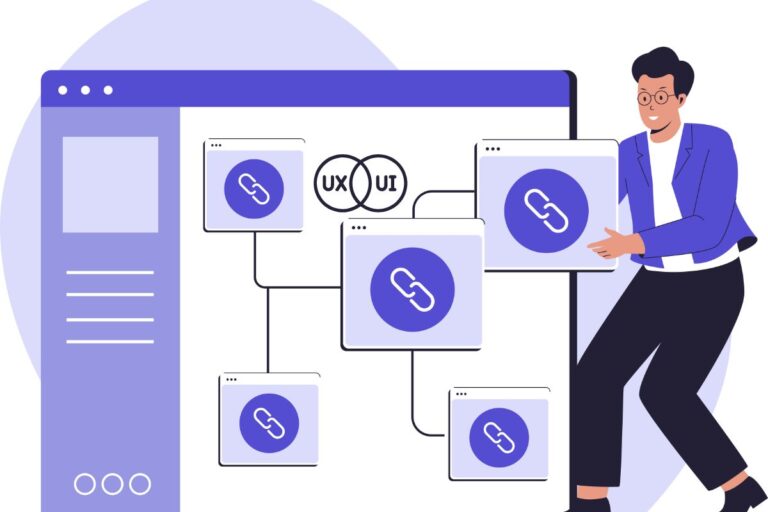
- Hyperlink (Link) – A clickable element that directs users to another page.
I – Digital Marketing Terms
- Impressions – The number of times content or ads are displayed.
- Inbound Marketing – Attracting customers through valuable content rather than intrusive ads.
- Influencer Marketing – Collaborating with influential personalities to promote products.
- Instagram Marketing – Promoting a brand using Instagram’s content formats and ads.
- Interactive Content – Engaging content like quizzes, polls, or calculators.
J – Digital Marketing Terms
- Journey Mapping – Visualizing the steps a customer takes before, during, and after purchase.
- JavaScript Tag – A code snippet used for tracking and analytics.
K – Digital Marketing Terms
- Keyword – A word or phrase users type into search engines.
- Keyword Density – The percentage of times a keyword appears in content.
- Keyword Research – The process of finding terms to optimize SEO and PPC campaigns.
- KPI (Key Performance Indicator) – A measurable value that shows campaign performance.
L – Digital Marketing Terms
- Landing Page – A standalone webpage designed to capture leads or drive sales.
- Lead Generation – The process of attracting and capturing potential customers.
- Lifetime Value (LTV) – The predicted revenue from a customer over their entire relationship with a brand.
- Link Building – The process of acquiring backlinks to improve SEO.
- Lookalike Audience – A group of users similar to your existing customers, used in paid advertising.
M – Digital Marketing Terms
- Marketing Automation – Using software to automate repetitive tasks like emails and ad targeting.
- Meta Tags – HTML tags that provide search engines with information about a webpage.
- Mobile Optimization – Ensuring websites and ads function well on mobile devices.
- Multichannel Marketing – Using multiple platforms (social, email, search) to engage audiences.
N – Digital Marketing Terms
- Native Advertising – Paid ads that match the look and feel of the platform they appear on.
- Newsletter – A regular email sent to subscribers with updates, tips, or offers.
- Niche Marketing – Focusing on a specialized segment of the market.
O – Digital Marketing Terms
- Omnichannel Marketing – Creating a seamless customer experience across multiple channels.
- On-Page SEO – Optimizations made directly on a webpage (content, title tags, meta description).
- Open Rate – The percentage of recipients who open an email.
- Organic Traffic – Visitors who arrive via unpaid search engine results.
- Outbound Marketing – Traditional marketing tactics like cold calls, direct mail, or display ads.
P – Digital Marketing Terms
- Page Views – The total number of times a webpage is viewed.
- Pay-Per-Click (PPC) – An advertising model where you pay only when someone clicks your ad.
- Personalization – Customizing marketing content to individual users.
- Podcast Marketing – Using podcasts to build awareness and engage audiences.
- Programmatic Advertising – Automated buying and selling of digital ad space.
Q – Digital Marketing Terms
- Quality Score – Google Ads metric that measures ad and keyword relevance.
- Qualified Lead – A lead that matches your target audience and is more likely to convert.
- Query – The word or phrase typed into a search engine.
R – Digital Marketing Terms
- Reach – The number of unique users who see your content.
- Remarketing (Retargeting) – Showing ads to users who previously visited your website.
- Responsive Design – Website design that adapts to different screen sizes.
- ROI (Return on Investment) – A calculation showing profit versus cost.
S – Digital Marketing Terms
- Search Engine Marketing (SEM) – Paid strategies to increase visibility on search engines.
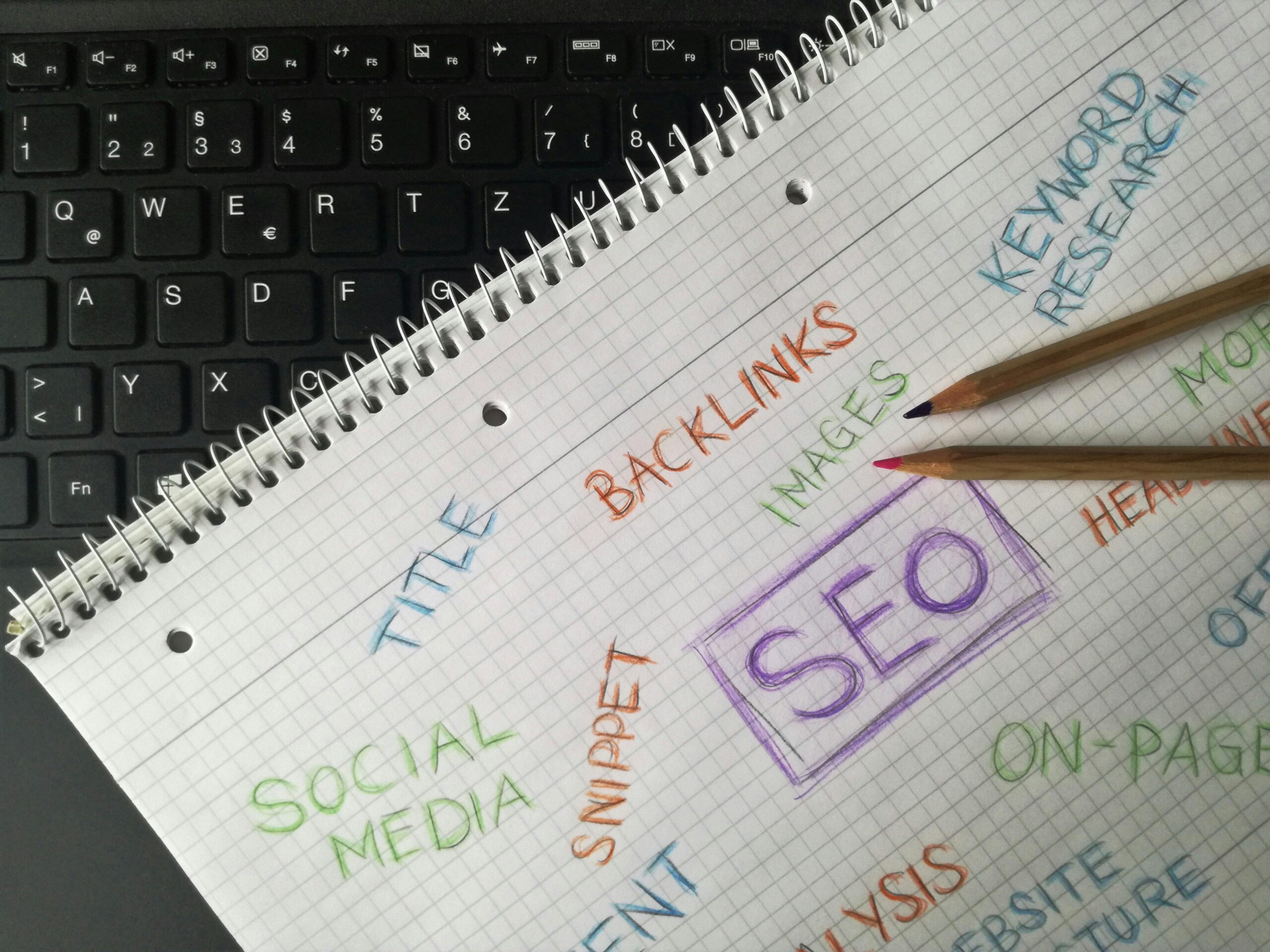
- Search Engine Optimization (SEO) – Improving organic rankings on search engines.
- Search Engine Results Page (SERP) – The page that displays results after a search query.
- Session – A group of user interactions with your site in a set timeframe.
- Social Media Marketing (SMM) – Promoting content and ads on social platforms.
- Split Testing – Another term for A/B testing.
T – Digital Marketing Terms
- Target Audience – The specific group of people your campaign is aimed at.
- Tracking Pixel – A small code snippet that tracks user behavior.
- Traffic Sources – Origins of website visitors: organic, paid, referral, social, or direct.
- Trending Content – Content that is popular and widely shared in real-time.
U – Digital Marketing Terms
- UI (User Interface) – The design and layout that users interact with on a website or app.
- UGC (User-Generated Content) – Content created by customers that promotes a brand.
- Upselling – Encouraging customers to purchase a higher-value product.
- URL (Uniform Resource Locator) – The address of a webpage.
- UX (User Experience) – The overall experience a user has on a website.
V – Digital Marketing Terms
- Viral Marketing – Content that spreads rapidly due to shares and high engagement.
- Voice Search Optimization – Optimizing for queries made via smart speakers and voice assistants.
- Value Proposition – The unique benefit that makes a product or service attractive to customers.
- Video Marketing – Using videos to promote or explain products and services.
W – Digital Marketing Terms
- Web Analytics – The collection and analysis of website traffic data.
- Webinar – An online seminar used for education, training, or promotion.
- White Hat SEO – Ethical SEO practices aligned with search engine guidelines.
- Workflow Automation – Automating repetitive marketing processes to save time.=
X – Digital Marketing Terms
- XML Sitemap – A file that helps search engines understand a website’s structure.
- Cross-Platform Marketing (sometimes denoted as X-Platform) – Marketing across multiple devices and platforms.
Y – Digital Marketing Terms
- YouTube Marketing – Using YouTube videos and ads for brand promotion.
- Yield Optimization – Maximizing ad revenue by analyzing performance data.
Z – Digital Marketing Terms
- Zero-Click Search – When Google answers a query directly on the results page without the user clicking a link.
- Z-Generation Marketing – Strategies tailored for Gen Z audiences (born mid-1990s–2010s).
- Zettabyte Era – Refers to the massive scale of digital data created and consumed online.
Frequently Asked Questions About Digital Marketing Terms
Understanding digital marketing terms is important for businesses, marketers, and beginners aiming to maximize online performance. These terms span SEO, PPC, social media, content marketing, email campaigns, analytics, and more. Mastering them ensures smarter decisions, higher ROI, and measurable growth. Below, we answer the most frequently asked questions with detailed explanations to make these concepts actionable.
1. What Are Digital Marketing Terms and Why Are They Important?
Digital marketing terms are the vocabulary and jargon used to describe strategies, tools, and metrics in online marketing. These include concepts like SEO, PPC, CTR, conversion rates, and engagement metrics. Knowing these terms allows marketers and business owners to:
-
Communicate effectively with teams and clients.
-
Interpret reports accurately to make data-driven decisions.
-
Apply best practices in campaigns to drive measurable results.
Without a strong grasp of these terms, businesses risk misusing tools, misinterpreting analytics, and missing growth opportunities.
2. How Do I Learn Digital Marketing Terms Quickly?
To learn digital marketing terms efficiently:
-
Use structured glossaries and A–Z guides like this one.
-
Focus on high-impact areas first: SEO, PPC, social media, and analytics.
-
Apply the terms in real campaigns for hands-on learning.
-
Leverage online courses, blogs, and webinars to reinforce knowledge.
-
Review case studies to see how terms are applied in real scenarios.
Consistent practice and application ensure that these terms are not just memorized but understood and actionable.
3. Which Digital Marketing Terms Should Beginners Know First?
For beginners, start with foundational digital marketing terms that directly impact everyday strategies:
-
SEO (Search Engine Optimization): Optimizing websites to rank higher in search engines.
-
PPC (Pay-Per-Click): Paid advertising model used on platforms like Google and Facebook.
-
CTR (Click-Through Rate): Percentage of users clicking on links or ads.
-
Conversion Rate: Percentage of visitors completing a desired action.
Mastering these core terms establishes a strong foundation for learning advanced concepts such as remarketing, automation, and funnel optimization.
4. What Is the Difference Between SEO and SEM?
SEO (Search Engine Optimization) focuses on organic strategies to improve search engine rankings through content, technical optimization, and backlinks.
SEM (Search Engine Marketing) encompasses SEO and paid strategies such as Google Ads to drive traffic immediately.
Understanding this distinction allows marketers to allocate budgets strategically, set realistic goals, and measure ROI effectively, using precise digital marketing terms like organic traffic, paid search, and CPC.
5. What Does PPC Mean in Digital Marketing?
PPC (Pay-Per-Click) is an advertising model where businesses pay each time a user clicks an ad. Key PPC-related digital marketing terms include:
-
CPC (Cost Per Click): The amount paid per click.
-
CTR (Click-Through Rate): Percentage of impressions that result in clicks.
-
Quality Score: Google Ads metric evaluating ad relevance.
Mastering these terms allows marketers to optimize campaigns, reduce costs, and improve conversions, ensuring maximum ROI from paid campaigns.
6. What Is CTR and How Is It Calculated?
CTR (Click-Through Rate) measures user engagement by showing the percentage of people clicking a link, ad, or CTA.
Formula: CTR = (Number of Clicks ÷ Number of Impressions) × 100
A higher CTR indicates effective messaging and targeting. Understanding CTR, along with other digital marketing terms like impressions and engagement rate, enables marketers to refine campaigns for better results.
7. What Is an Impression in Digital Marketing?
An impression represents the number of times your ad, content, or link is displayed to users. While impressions do not guarantee interaction, they measure brand visibility. Knowing this term, alongside CTR and engagement metrics, helps businesses evaluate awareness campaigns and make informed adjustments to optimize performance.
8. What Are Conversion Rates and Why Do They Matter?
A conversion rate is the percentage of visitors who complete a desired action, such as purchasing a product, subscribing, or downloading content.
High conversion rates indicate effective strategies, while low rates highlight areas needing optimization. Key digital marketing terms related to conversions include:
-
Conversion funnel
-
A/B testing
-
Lead generation
Understanding these terms allows marketers to optimize landing pages, calls-to-action, and campaigns for maximum ROI.
9. What Is Bounce Rate and How Does It Affect My Website?
Bounce rate measures the percentage of visitors who leave after viewing only one page. High bounce rates can signal:
-
Poor user experience (UX)
-
Irrelevant or low-quality content
-
Slow website speed
Grasping digital marketing terms like bounce rate, session duration, and exit rate helps marketers identify website issues, improve engagement, and retain users effectively.
10. What Is the Difference Between Inbound and Outbound Marketing?
Inbound marketing attracts users through content, SEO, and social engagement, creating long-term relationships.
Outbound marketing actively pushes messages via ads, cold emails, or direct outreach.
Knowing these digital marketing terms helps businesses design strategies that balance lead generation, brand awareness, and customer acquisition efficiently.
Master Digital Marketing Terms and Grow Your Business
Digital marketing is a fast-paced world with constantly evolving concepts, but knowing the terminologies used in digital marketing empowers you to make better decisions, communicate confidently with professionals, and stay ahead of the competition. This A–Z glossary is a reference guide you can revisit anytime, whether you’re setting up your first campaign, analyzing reports, or simply brushing up on your knowledge.
While it’s powerful to understand these digital marketing terms, you don’t have to implement them all alone. By entrusting a well-versed digital marketing professional or digital marketing Agency, you can ensure your campaigns are not just well-executed but also smart, results-driven, and tailored to your business goals