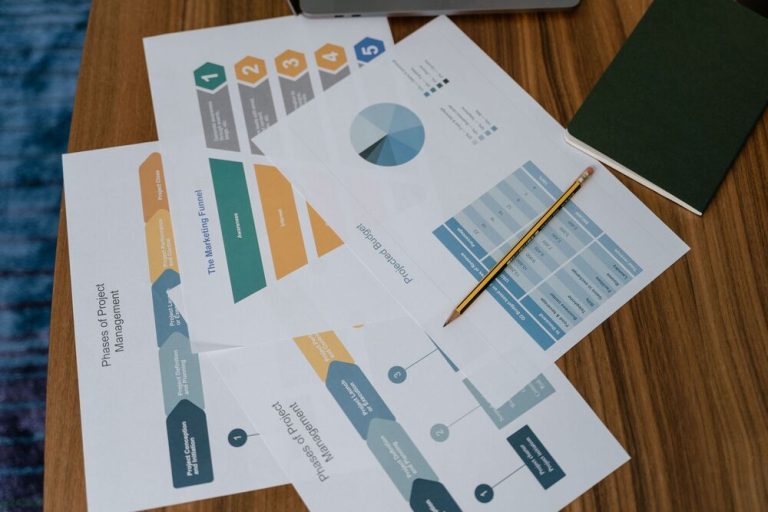
How to Build a Website From Scratch: Boost Online Sales
In today’s digital-first world, a website is your virtual storefront, marketing tool, and sales engine combined. Whether you’re running a small business, freelancing, or building an eCommerce store, learning how to build a website from scratch can set you apart and open doors to more online sales. With the right guidance, you can build a website. Here’s a step by step guide on how to design it in a way that converts visitors into paying customers:
Step 1: Define Your Purpose and Goals
Before you dive into tools and design, get clear on why you want the website. Ask yourself:
-
Is it to sell products online (eCommerce)?
-
To showcase services and generate leads?
-
To build authority with blogs and resources?
-
Or a combination of the above?
Having clear goals ensures your website design and content align with what matters most—boosting sales.
Step 2: Choose a Domain Name and Hosting
Your domain name is your website’s address (e.g., www.yourbusiness.com). Choose something that is:
-
Simple and memorable
-
Relevant to your brand
-
Easy to type and spell

Next, select reliable web hosting. Hosting is where your website’s files live online. Popular options include Bluehost, SiteGround, Truehost and Hostinger. Invest in a custom domain and hosting plan instead of free website builders. It makes your brand look more professional and builds trust with potential customers.
Step 3: Select the Right Platform
When building a site from scratch, you have two main choices:
-
Content Management Systems (CMS): Platforms like WordPress, Joomla, or Drupal. WordPress is the most popular because it’s beginner-friendly, customizable, and SEO-ready.
-
Website Builders: Tools like Wix, Squarespace, or Shopify (ideal for eCommerce). These require little to no coding but may be less flexible in the long run. If your goal is boosting sales, WordPress with WooCommerce or Shopify are the best starting points.
Step 4: Design Your Website Layout
Your design should balance aesthetic appeal and functionality. A visually stunning site that’s confusing to navigate won’t convert visitors. Keep these elements in mind:
-
Clean navigation: Menus should be simple, guiding users to products/services quickly.
-
Mobile responsiveness: Most visitors will access your site via smartphones. Ensure it loads well on all devices.
-
Fast loading speed: Slow sites frustrate users and lower sales.
-
Clear call-to-actions (CTAs): Buttons like “Buy Now,” “Get a Quote,” or “Sign Up” should be prominent.
Step 5: Create Compelling Content
Content is what convinces your visitors to stay, trust you, and eventually buy from you. Key content areas include:
-
Homepage: Clear introduction to who you are and what you offer.
-
About Page: Humanize your brand and build trust.
-
Product/Service Pages: Highlight benefits, features, and strong CTAs.
-
Blog Section: Drive organic traffic with valuable articles (like this one).
-
Contact Page: Easy-to-find contact info, forms, or chat support.
Write content that speaks directly to your customer’s problems, and addresses their pain points with empathy. Your content should clearly demonstrate how your solution not only solves their challenges but also adds value, saves them time, or helps them achieve their goals.
Step 6: Optimize for SEO
A well-built website is useless if no one finds it. Search Engine Optimization (SEO) ensures your website appears on Google when customers search for what you offer.

Focus on:
-
Keyword research: Use tools like Ubersuggest or Google Keyword Planner to find terms customers search for.
-
On-page SEO: Optimize titles, meta descriptions, headers, and URLs.
-
Technical SEO: Improve site speed, mobile-friendliness, and fix broken links.
-
Content SEO: Publish regular blog posts targeting customer pain points.
When executed effectively, SEO becomes a powerful engine that drives free, targeted, and consistent traffic to your website. This helps in building brand visibility, attracting the right audience, and boosting sustainable long-term sales.
Step 7: Add E-Commerce Features (If Selling Products)
If your goal is to sell online, integrate secure and user-friendly eCommerce features:
-
Shopping cart and checkout system
-
Multiple payment gateways (PayPal, cards, mobile money)
-
Product images and detailed descriptions
-
Customer reviews/testimonials
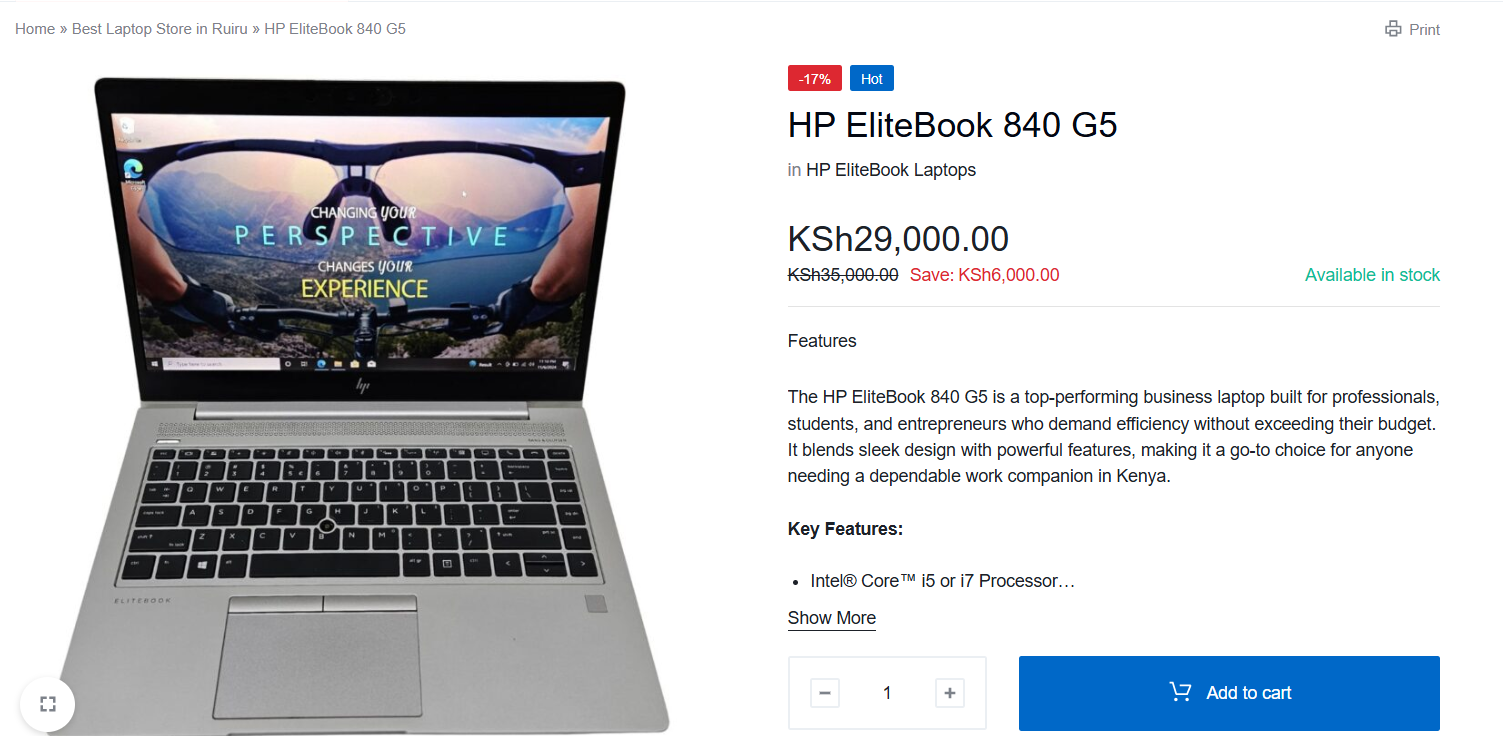
Platforms like WooCommerce (WordPress) or Shopify make this process easier without heavy coding.
Step 8: Build Trust with Visitors
Online buyers are cautious. They want to know they’re dealing with a credible business. Boost trust with:
-
SSL Certificate (HTTPS) for security.
-
Professional branding (logo, consistent colors, fonts).
-
Testimonials and reviews from real customers.
-
Clear return/refund policies.
-
Active blog or updates to show your business is alive and growing.
Step 9: Promote Your Website
Launching your site is just the beginning. To drive traffic and sales, use:
-
Social Media Marketing: Share content and promotions on Facebook, Instagram, LinkedIn, and TikTok.
-
Email Marketing: Collect emails through sign-up forms and nurture subscribers with offers.
-
Paid Ads: Run Google Ads or Facebook Ads to reach targeted customers.
-
Content Marketing: Keep publishing blogs that answer customer questions and boost visibility.
Step 10: Track, Improve, and Scale
Use analytics tools like Google Analytics or Hotjar to monitor:
-
Where your visitors come from.
-
Which pages convert best.
-
Where people drop off in the buying process.
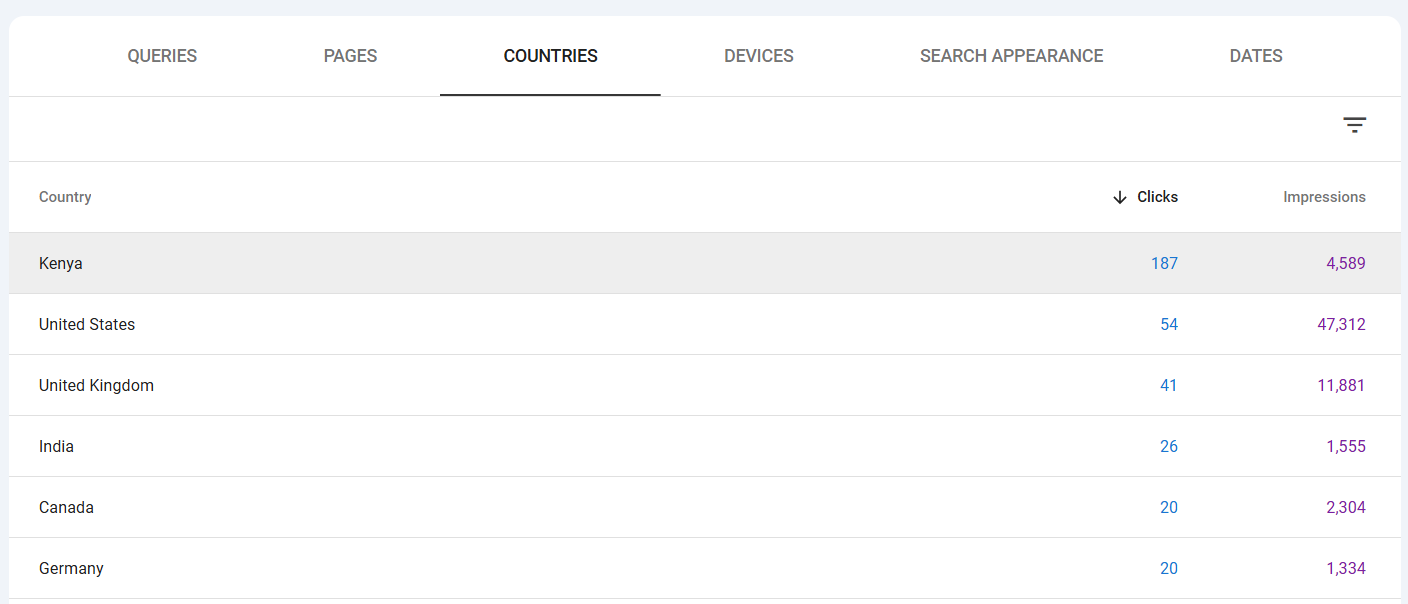
Make improvements based on data. A website isn’t a one-time project—it evolves as your business grows.
Frequently Asked Questions About How to Build a Website From Scratch
Building a website from scratch can feel overwhelming, especially for businesses aiming to boost online sales. Understanding the process, tools, design principles, and best practices is crucial for creating a site that is visually appealing, functional, and optimized for conversions. Below are the most frequently asked questions to guide you through how to build a website from scratch successfully.
1. What Does It Mean to Build a Website From Scratch?
Building a website from scratch means creating a fully custom website from the ground up rather than relying on pre-built templates or drag-and-drop builders. This approach allows you to tailor every aspect of the site to your business goals and brand identity.
Key components include:
-
Planning website structure and layout: Defining pages, navigation, and hierarchy.
-
Designing UI and UX: Ensuring visitors have a seamless, intuitive experience.
-
Writing code: Using HTML, CSS, JavaScript, or leveraging a CMS like WordPress.
-
Integrating functionality: Adding forms, eCommerce features, payment systems, or booking tools.
By building a website from scratch, you gain full control over performance, scalability, and customization, ensuring your site aligns perfectly with your branding and online objectives.
2. How Do I Start Building a Website From Scratch?
The foundation of a successful website begins with strategic planning. Jumping straight into design or development can lead to inefficiencies, redesigns, or missed business opportunities.
Steps to start include:
-
Define clear goals: Decide if your website aims for lead generation, eCommerce sales, or brand awareness.
-
Research competitors and industry trends: Identify what works and opportunities to stand out.
-
Outline site architecture: Plan the structure, including main pages, menus, and sub-pages.
-
Select a domain name and hosting provider: Ensure reliability, speed, and scalability for future growth.
A well-thought-out blueprint ensures development is efficient and your website can effectively convert visitors into paying customers.
3. Which Platform Should I Use to Build a Website From Scratch?
Choosing the right platform is essential for long-term performance, scalability, and ease of management. Common options include:
-
WordPress: Highly flexible, supports blogs, eCommerce, and advanced functionality through plugins.
-
Custom HTML/CSS/JavaScript: Offers total control over design and performance, ideal for fully bespoke websites.
-
Website Builders (Wix, Squarespace): Quick to deploy but limited in customization and complex integrations.
Your choice should consider technical expertise, budget, scalability, and the features necessary to maximize online sales and brand impact.
4. How Important Is Website Design When Building From Scratch?
Website design is not just visual—it directly impacts usability, engagement, and conversion rates. Poor design can frustrate visitors, while a professional layout keeps them engaged.
Focus areas include:
-
Responsive design: Mobile and desktop compatibility is critical.
-
Intuitive navigation: Users should find information quickly.
-
Brand consistency: Colors, fonts, and imagery should reflect your identity.
-
Optimized performance: Fast loading and lightweight assets improve UX and SEO.
Well-executed design ensures your website attracts, engages, and converts visitors, making it an integral part of building a website from scratch.
5. How Do I Add Functionality to a Website From Scratch?
Functionality determines how users interact with your site and whether it achieves business objectives. Depending on your goals, you may include:
-
Contact or subscription forms
-
eCommerce features like shopping carts and secure payment gateways
-
Social media integration and sharing options
-
Interactive tools such as chatbots, calculators, or booking systems
Using platforms like WordPress, functionality can be added via plugins. For custom-coded websites, everything can be tailored to your exact needs, ensuring efficiency and performance.
6. How Long Does It Take to Build a Website From Scratch?
The development timeline depends on complexity, customization, and your content readiness:
-
Basic informational site: 2–4 weeks
-
Small business site with custom design: 4–8 weeks
-
Advanced eCommerce or enterprise-level site: 8–12+ weeks
Factors influencing timelines include design revisions, content creation, plugin development, SEO integration, and thorough testing. Planning and clear communication with developers can accelerate delivery and reduce costly delays.
7. How Can I Make My Website SEO-Friendly While Building From Scratch?
SEO should be integrated from the beginning rather than added as an afterthought. SEO-friendly development ensures your site ranks on search engines and attracts relevant traffic.
Critical strategies include:
-
Optimizing page titles, meta descriptions, and headings
-
Mobile responsiveness and fast page speed
-
Structured URLs, sitemaps, and schema markup
-
Optimized images, videos, and content aligned with search intent
-
Internal linking and accessibility best practices
Implementing SEO during development increases discoverability and conversion potential, supporting long-term online success.
8. What Are Common Mistakes to Avoid When Building a Website From Scratch?
Many businesses make avoidable mistakes when building a website from scratch, including:
-
Overcomplicating design, making navigation confusing
-
Neglecting mobile optimization
-
Ignoring website speed and performance testing
-
Failing to implement analytics for tracking visitor behavior
-
Skipping security measures such as SSL certificates
By anticipating these pitfalls, you save time, reduce costs, and create a professional website that delivers consistent results.
9. How Do I Test and Launch My Website From Scratch?
Testing is critical before going live to ensure a seamless experience. Essential steps include:
-
Cross-browser and cross-device testing
-
Checking all forms, buttons, and interactive elements
-
Testing page speed and overall performance
-
Verifying SEO elements and analytics tracking
-
Soft launch to gather early user feedback
A carefully tested launch guarantees your website is functional, professional, and ready to drive conversions from day one.
10. Should I Hire a Professional to Build a Website From Scratch?
While some may attempt a DIY approach, hiring a professional ensures:
-
Fully customized design aligned with brand and business objectives
-
Advanced functionality, seamless UX, and integration of marketing tools
-
SEO-friendly architecture implemented from the start
-
Reliable post-launch support and maintenance
Working with The PK Digital provides guidance through the entire website building process from scratch, saving time, reducing errors, and maximizing online sales potential.
Hire a Professional Web Developer: Turn Your Website Into a Sales Machine
Building a website from scratch doesn’t have to feel overwhelming when you have the right expertise on your side. A professional web developer helps you go beyond creating a simple online presence—they design a user-friendly, SEO-optimized, and trust-building platform that works as your 24/7 sales engine. With the right strategy, your website won’t just look great; it will convert visitors into loyal customers and drive consistent growth. Don’t wait—invest in a professional website today and start boosting your online sales tomorrow. Contact a WordPress website developer via +254 707 654 080